

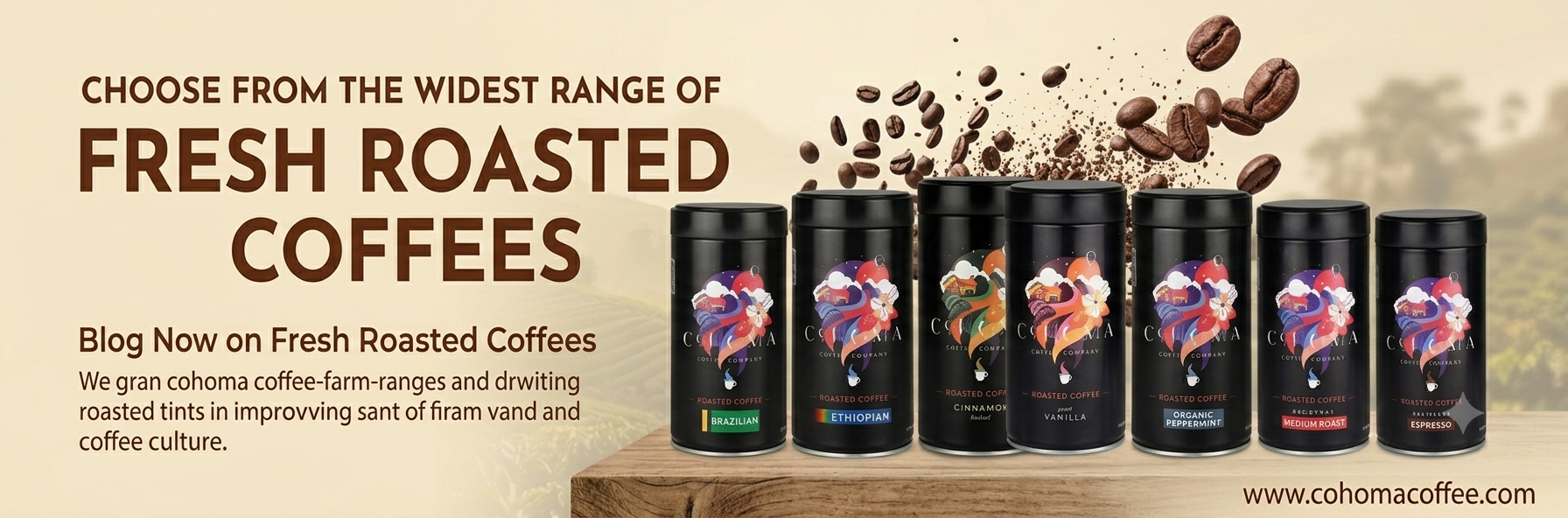
Choosing the right roasted coffee can completely change your coffee experience. Many people focus only on the brewing equipment, but the coffee itself plays an equally important role. The roast level, bean quality, grind size, and brewing style all work together to create the final taste in your cup.
Every brewing method brings out different characteristics of coffee. A roast that works well for espresso may not give the same results in a pour-over or French press. Understanding how roasted coffee interacts with your brewing method helps you enjoy better flavor and a more balanced cup. Whether you prefer a smooth morning coffee or a strong espresso, selecting the right beans can make the process simple and enjoyable.
Understanding Roasted Coffee
Coffee beans start as green seeds inside coffee cherries. Before they become the familiar coffee beans used for brewing, they go through a roasting process.
During roasting, heat transforms the beans by:
- Developing aroma
- Creating flavor compounds
- Changing color and texture
- Reducing moisture
- Building the final taste profile
The roasting process determines many of the flavors you experience in your coffee.
A lighter roast may keep more original bean characteristics, while a darker roast develops deeper and bolder flavors.
Why Roast Level Matters
Roast level affects the overall character of coffee. It influences:
- Flavor intensity
- Aroma
- Acidity
- Body
- Aftertaste
Light Roast
Light roasted coffee is usually known for:
- Bright acidity
- Fruity flavors
- Floral notes
- More noticeable origin characteristics
This roast works well for brewing methods that highlight clarity and subtle flavors.
Medium Roast
Medium roast is often considered balanced because it combines the original bean flavor with roasting characteristics.
Common notes include:
- Chocolate
- Caramel
- Nuts
- Mild sweetness
It is a versatile option for many brewing methods.
Dark Roast
Dark roast coffee usually has:
- Stronger roasted flavor
- Lower acidity
- Fuller body
- Smoky or bittersweet notes
It is often chosen by people who enjoy bold coffee.
Choosing Roasted Coffee Based on Brewing Method
Different brewing methods extract coffee differently. The right roast can help bring out the best qualities of your cup.
Best Roasted Coffee for Espresso
Espresso uses pressure to quickly extract flavor from finely ground coffee. Because of this, it works well with coffee that has enough body and richness.
Many espresso drinkers prefer:
- Medium roast
- Medium-dark roast
- Dark roast
These roasts often create:
- Strong flavor
- Smooth texture
- Rich crema
- Balanced sweetness
However, some speciality coffee lovers also enjoy lighter espresso roasts because they can bring out unique fruity or floral notes.
Best Roasted Coffee for Pour-Over Coffee
Pour-over methods allow water to slowly pass through coffee grounds, creating a clean and detailed cup.
Recommended roast:
- Light roast
- Medium roast
These roasts help highlight:
- Bean origin
- Natural sweetness
- Complex flavors
For those exploring different speciality coffee profiles, pour-over brewing is a popular method because it allows the unique characteristics of the beans to stand out.
Best Roasted Coffee for French Press
French press uses full immersion brewing, which creates a heavier and richer coffee.
Good choices include:
- Medium roast
- Medium-dark roast
These roasts provide:
- Full body
- Smooth texture
- Deep flavor
The longer brewing time helps extract rich notes from the coffee.
Best Roast for Drip Coffee
Drip coffee makers are common in homes and offices.
A balanced choice is usually:
- Medium roast
Medium roast coffee offers:
- Pleasant aroma
- Balanced strength
- Easy drinking flavor
It works well for everyday coffee drinkers who want a reliable cup.
The Role of Coffee Bean Quality
Roast level is important, but bean quality matters too.
Good coffee depends on:
- Growing region
- Processing method
- Freshness
- Storage
- Roasting quality
Speciality coffee beans are often valued because they are carefully selected and handled to preserve their unique flavors.
Understanding where coffee comes from can help you appreciate why two coffees with the same roast level can taste completely different.
Whole Beans vs Ground Coffee
Choosing between whole beans and ground coffee affects freshness.
Whole Beans
Advantages:
- Stay fresh longer
- Keep more aroma
- Allow control over grind size
Pre-Ground Coffee
Advantages:
- Convenient
- Easy to use
For the freshest flavor, many coffee drinkers prefer grinding beans just before brewing.
How Cohoma Coffee Fits Into Coffee Exploration
When learning about different coffee styles, exploring brands like Cohoma Coffee can help coffee drinkers understand different roast profiles and brewing preferences. The focus should always remain on finding coffee that matches your personal taste, brewing method, and daily routine.
Tips for Brewing Better Roasted Coffee
Getting great flavor from roasted coffee is not only about choosing the right beans. Small changes in your brewing routine can improve the taste of every cup.
1. Use Fresh Coffee Beans
Freshness plays an important role in coffee flavor. Coffee slowly loses aroma after roasting, so storing beans properly helps maintain their natural taste.
Keep coffee in:
- An airtight container
- A cool and dry place
- Away from direct sunlight
2. Match Grind Size With Brewing Method
The grind size affects how water extracts flavor from coffee.
Examples:
- Espresso → Fine grind
- Pour-over → Medium grind
- French press → Coarse grind
Using the wrong grind size can make coffee taste too bitter or too weak.
3. Use the Right Water Temperature
Water that is too hot can over-extract coffee, while cooler water may not extract enough flavor.
A balanced temperature helps create a smoother and more enjoyable cup.
4. Measure Your Coffee Properly
Using too much or too little coffee can change the final taste.
A consistent coffee-to-water ratio helps you repeat the same flavor every time.
Common Mistakes When Choosing Roasted Coffee
Many beginners make simple mistakes when selecting coffee.
Choosing Only by Roast Color
Dark beans do not always mean stronger coffee. Flavor depends on the bean, roast profile, and brewing method.
Ignoring Freshness
Even high-quality coffee can lose flavor if stored for too long.
Not Considering Brewing Style
A coffee that tastes great as espresso may not be the best choice for a pour-over.
Using the Same Coffee for Everything
Different brewing methods bring out different qualities. Trying different roast styles can help you discover your preferred flavor.
Conclusion
Choosing the right roasted coffee for your brewing method can make a noticeable difference in your daily coffee experience. The best choice depends on your preferred taste, brewing style, and how you enjoy your coffee.
Light roasts can highlight delicate flavors, medium roasts provide balance, and darker roasts offer deeper notes. Exploring different coffee options, including speciality coffee beans, can help you understand the variety of flavors available.
Coffee is a personal experience, and finding the right match between roast and brewing method is part of enjoying the journey. With the right knowledge and a little experimentation, every cup can become more enjoyable. Cohoma Coffee can be one of the many options coffee lovers explore while learning about roast styles and brewing preferences.
Frequently Asked Questions
1. What is roasted coffee?
Roasted coffee is made by heating green coffee beans until they develop their aroma, color, and flavor.
2. Which roast is best for beginners?
Medium roast is a good starting point because it offers a balanced taste.
3. Is dark roast stronger than light roast?
Dark roast usually tastes stronger and bolder, but caffeine differences are usually small.
4. Which roasted coffee is best for espresso?
Medium to dark roast often works well because it creates a rich and full-bodied flavor.
5. Can I use the same coffee for every brewing method?
Yes, but different roasts may perform better with specific brewing styles.
6. How long does roasted coffee stay fresh?
Coffee usually keeps its best flavor for a few weeks after roasting when stored correctly.
7. Are speciality coffee beans worth trying?
Yes. Speciality coffee beans often offer unique flavors based on origin, processing, and roasting style.
8. How should I store roasted coffee?
Store it in an airtight container away from heat, moisture, and sunlight.